
Путеводитель по Тбилисскому ботаническому саду: как посетить и чего ожидать
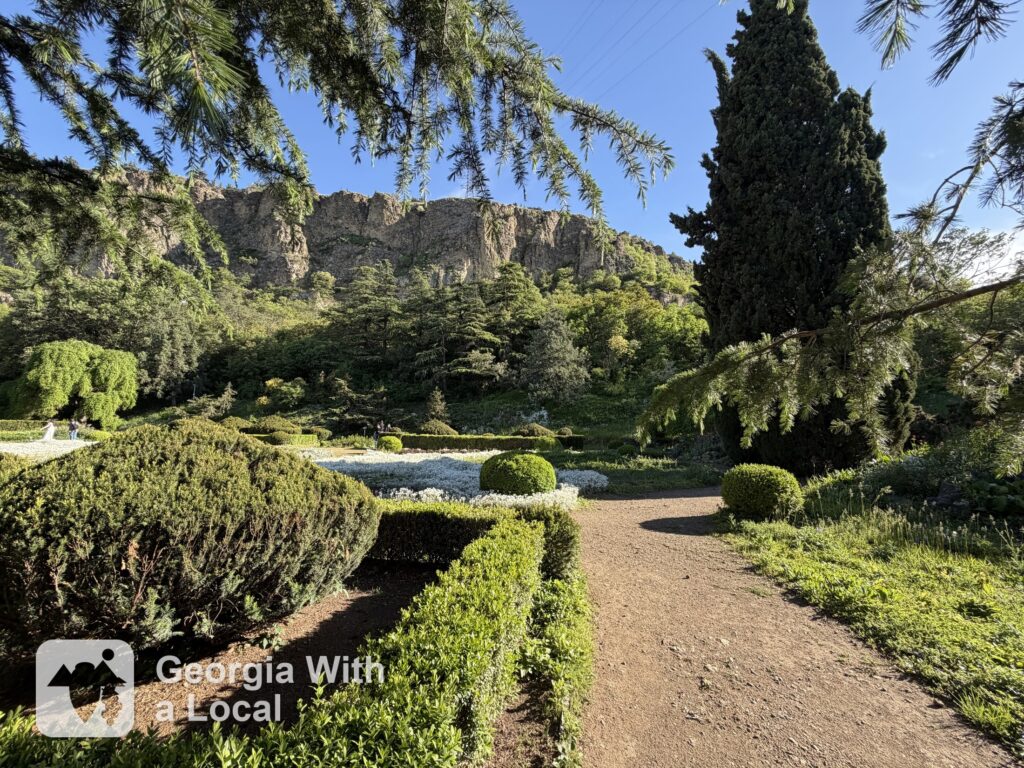
Тбилисский ботанический сад — одно из самых простых мест для отдыха на природе в центре Тбилиси: зелёное ущелье, спрятанное за Старым городом, рядом с крепостью Нарикала, серными банями и смотровой площадкой у монумента «Мать Грузии». Это не вылизанный регулярный сад в западноевропейском смысле. Его очарование спокойнее: тенистые дорожки, виды со склонов, небольшой водопад, сезонные цветы, пруды, старые деревья и ощущение, что вы вышли из города, хотя всё ещё находитесь в нём.
В этом гиде рассказано, что представляет собой Тбилисский ботанический сад, где он находится, какие входы удобнее всего, как туда добраться, сколько стоит билет сейчас, что посмотреть внутри, сколько времени заложить на прогулку и когда лучше приходить ради сирени, роз, зелени и комфортной погоды для ходьбы.
Содержание
- Краткая информация
- Что такое Тбилисский ботанический сад?
- Где находится Тбилисский ботанический сад?
- Входы и как добраться
- Стоимость билетов, часы работы и практические правила
- Что посмотреть внутри Тбилисского ботанического сада
- Лучшее время для посещения
- Сколько времени нужно?
- Простой маршрут для первого посещения
- Стоит ли посещать Тбилисский ботанический сад?
- FAQ
- Заключение
Краткая информация
- Официальное название: Национальный ботанический сад Грузии.
- Распространённое название: Тбилисский ботанический сад.
- Расположение: в ущелье Цавкисис-Цкали, за крепостью Нарикала и над Абанотубани, районом серных бань Тбилиси.
- Лучше всего подходит для: спокойных прогулок, лёгкого отдыха на природе, видов, фотографий, сезонных цветов и неторопливой паузы во время прогулки по Старому Тбилиси.
- Взрослый билет: 4 лари.
- Дети до 6 лет: бесплатно.
- Месячный абонемент: 80 лари.
- Животные: вход с животными запрещён.
- Сколько времени нужно: 1-1,5 часа для короткого визита, 2-3 часа для спокойной прогулки.
- Лучшее время для посещения: весна ради сирени и свежей зелени, начало и середина июня ради роз, а летом — раннее утро или ближе к вечеру.
Что такое Тбилисский ботанический сад?
Тбилисский ботанический сад, официально Национальный ботанический сад Грузии, — это большой исторический сад и природоохранное пространство в самом сердце столицы. BGCI GardenSearch описывает его как научно-исследовательское, культурно-образовательное и природоохранное учреждение с коллекциями более чем 4 500 видов и внутривидовых таксонов с Кавказа и из других регионов мира.
История сада старше современного туристического Тбилиси. Его предшественником был царский сад в нижней части ущелья Цавкисисцкали, а официальный статус ботанического сада учреждение получило в 1845 году. Сегодня здесь сочетаются благоустроенные прогулочные зоны, естественная растительность, коллекции растений, объекты культурного наследия, смотровые площадки и простые маршруты для отдыха.
Для путешественников сад лучше всего работает как остановка на полдня или на половину утра, а не как большая достопримечательность на целый день. Его удобно сочетать с крепостью Нарикала, статуей «Мать Грузии», серными банями, водопадом Легвтахеви и прогулкой по Старому Тбилиси.
Где находится Тбилисский ботанический сад?
Тбилисский ботанический сад расположен прямо к югу от Старого Тбилиси, в зелёном ущелье между склонами Сололаки, крепостью Нарикала и хребтом Табори. В этом и есть часть его привлекательности: со смотровых площадок виден город, но нижние прогулочные дорожки удивительно хорошо укрыты от шума и движения.
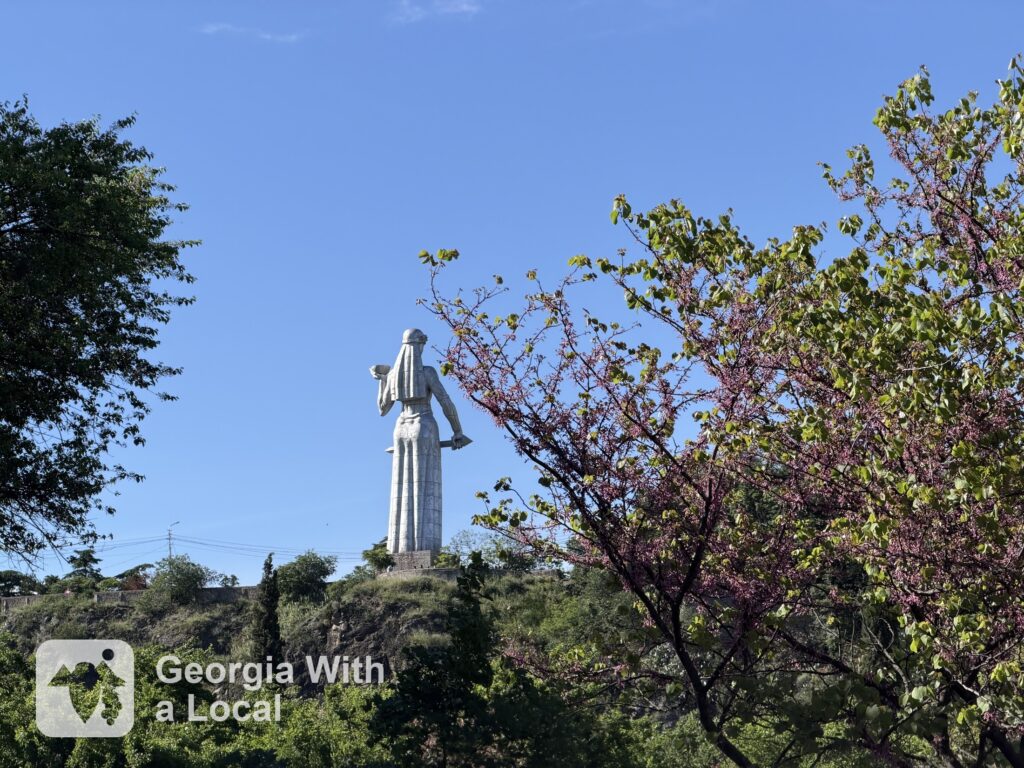
Проще всего представить карту так: Абанотубани и серные бани находятся ниже сада со стороны Старого города. Крепость Нарикала и статуя «Мать Грузии» расположены выше. Ботанический сад тянется по ущелью за этими достопримечательностями, поэтому к нему можно подойти либо снизу, со стороны Старого Тбилиси, либо сверху, после посещения смотровой у крепости.
Входы и как добраться
Попасть в сад можно несколькими способами, и лучший вход зависит от маршрута на день. Для большинства тех, кто приезжает впервые, выбор обычно сводится к старту от района серных бань или к совмещению сада с крепостью Нарикала.
Из Старого Тбилиси и от серных бань
Нижний подход удобен для путешественников, которые уже гуляют по Абанотубани, мечети, серным баням или водопаду Легвтахеви. С этой стороны сад ощущается как естественное продолжение прогулки по Старому Тбилиси. Обычно это самый простой вариант для спокойного визита, потому что не нужно начинать с крутого спуска с хребта.
Этот маршрут особенно практичен в тёплую погоду. Можно посмотреть банный район, пройти к ущелью, войти в сад и затем постепенно двигаться по тенистым или полутенистым участкам.
От крепости Нарикала и «Матери Грузии»
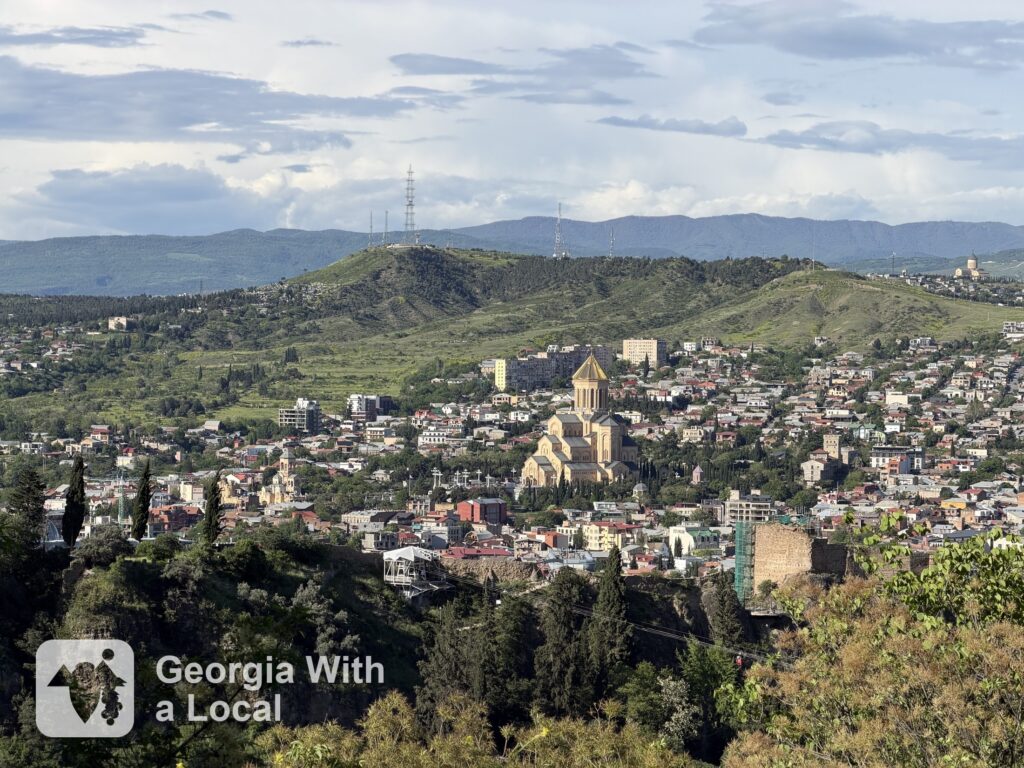
Верхний подход более живописный. Многие посетители поднимаются к Нарикале на канатной дороге, смотрят на город, заходят к смотровой площадке у «Матери Грузии», а затем спускаются к ботаническому саду. Для фотографий это хороший вариант, потому что сверху легче понять, как сад вписан в ландшафт.
Компромисс — рельеф. Дорожки вокруг Нарикалы и внутри сада могут включать склоны, ступени и неровные участки. Удобная обувь очень желательна, особенно после дождя или в летнюю жару.
На такси или через приложение
Такси или приложение для вызова машины удобно, если сад — главная цель поездки, а не часть длинной прогулки по Старому городу. Это также самый простой вариант для семей с маленькими детьми, пожилых путешественников или тех, кто приезжает в жаркую погоду.
Поскольку входы и точки высадки могут немного путать, лучше заранее посмотреть карту и выбрать вход, ближайший к запланированному маршруту. Для короткого визита обычно понятнее начинать с нижней стороны Старого Тбилиси.
Стоимость билетов, часы работы и практические правила
В актуальной информации для посетителей, использованной в этом гиде, взрослый входной билет указан по цене 4 лари, вход для детей до 6 лет — бесплатный, а месячный абонемент — 80 лари. Цены в Грузии могут меняться, поэтому перед публикацией или перед визитом информацию о билетах стоит проверить на входе.
Часы работы также лучше уточнить заранее. Во время подготовки этой статьи официальный сайт сада находился в разработке, а надёжной официальной информации о часах работы онлайн не было. Для спокойного визита лучше воспринимать ботанический сад как дневную достопримечательность и не планировать приход близко к закрытию.
Есть несколько практических правил и советов:
- Вход с животными запрещён.
- Удобная обувь для ходьбы здесь полезнее, чем нарядная обувь или сандалии.
- Летом лучше приходить рано утром или ближе к вечеру.
- Воду стоит взять с собой, особенно если вы совмещаете сад с Нарикалой.
- Маршрут не очень подходит для спешки: сад лучше раскрывается во время медленной прогулки, а не как пункт в списке достопримечательностей.
Что посмотреть внутри Тбилисского ботанического сада
Тбилисский ботанический сад интересен не только редкими растениями. Его привлекательность складывается из природы, лёгкой прогулки, небольших открытий и видов на Тбилиси.
Водопад и подвесной мост
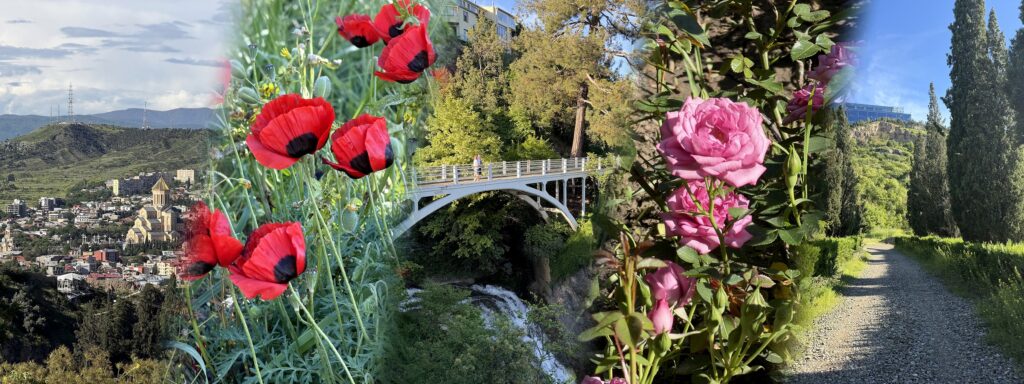
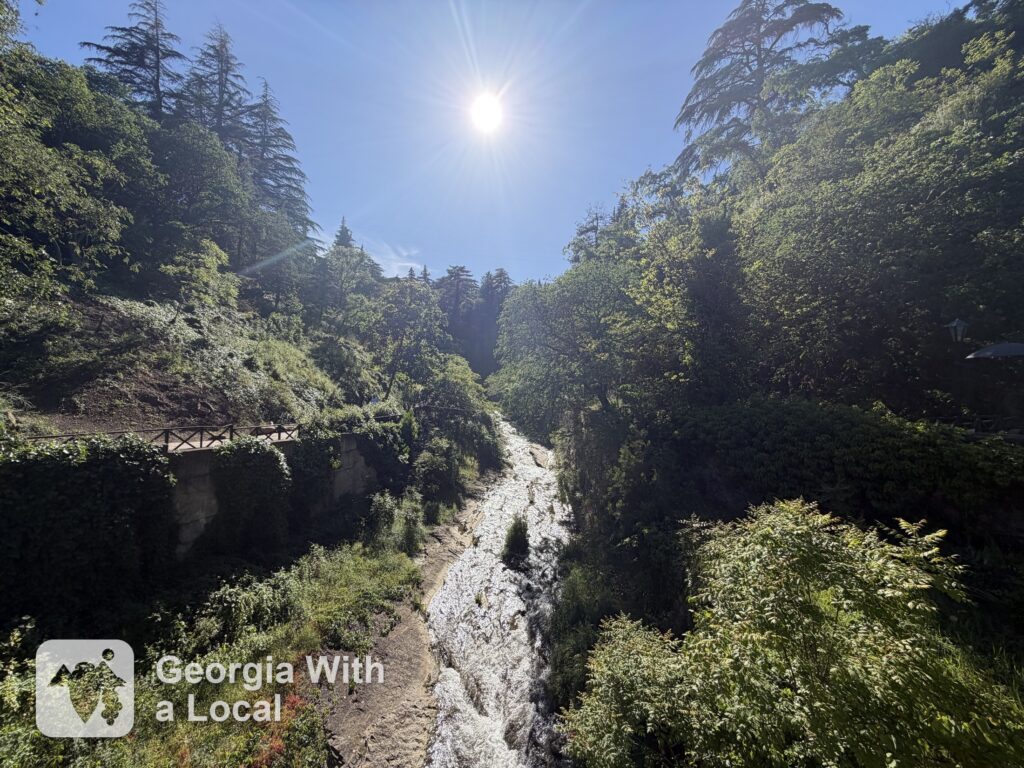
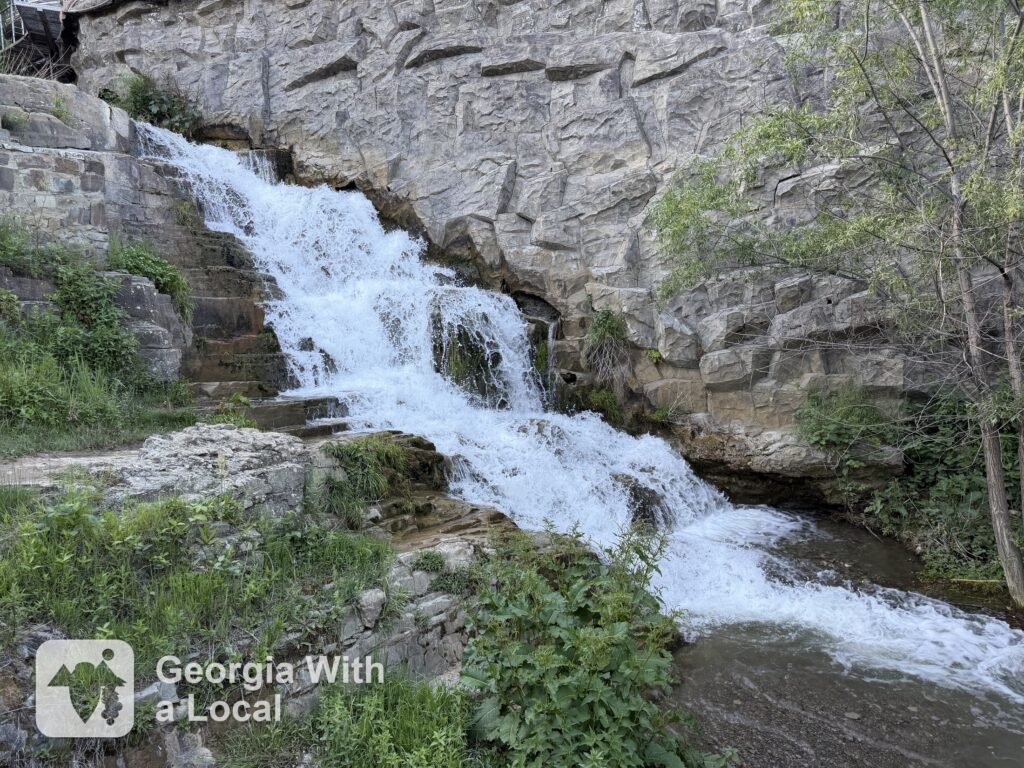
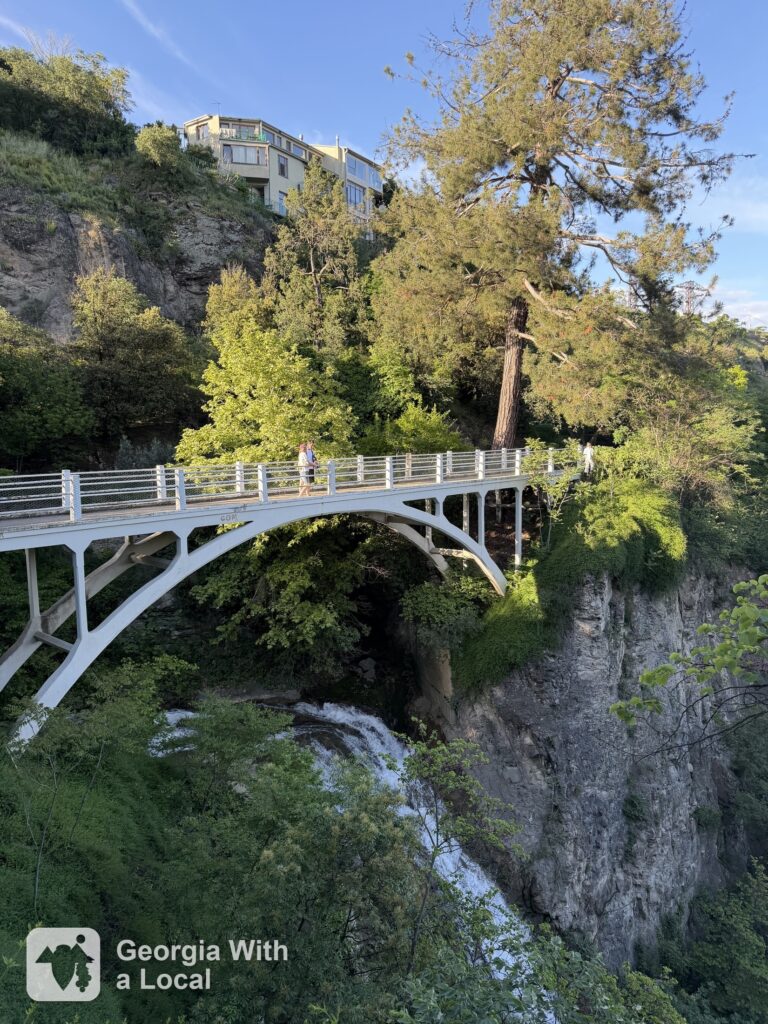
Одна из самых приятных деталей внутри сада — небольшой водопад. Он не такой впечатляющий, как горные водопады за пределами Тбилиси, но добавляет прогулке движение, звук и тень. Из-за окружающей зелени эта часть сада кажется прохладнее и спокойнее, чем открытые городские улицы неподалёку.
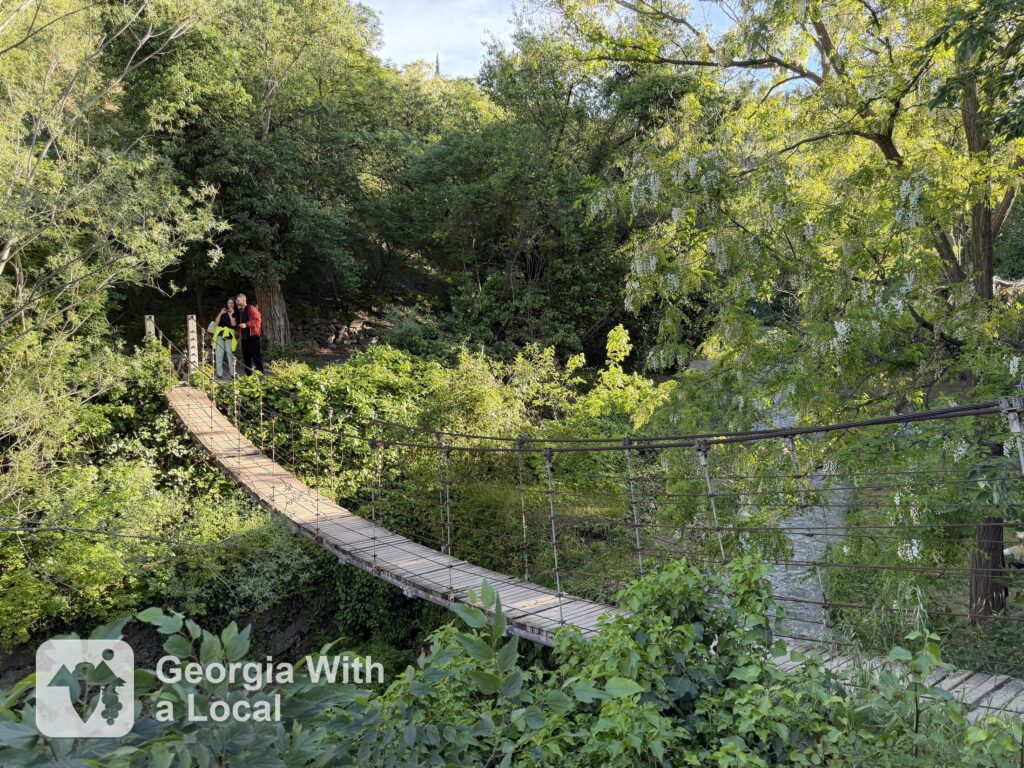
Живописный подвесной мост — ещё одна запоминающаяся деталь. Он добавляет маршруту визуальной выразительности и хорошо смотрится на фотографиях, особенно когда сад зелёный, а свет мягче утром или ближе к вечеру.
Смотровые площадки на Тбилиси
В саду и рядом с ним есть несколько мест с видами на Старый Тбилиси, окружающие хребты и город внизу. Эти смотровые площадки — одна из лучших причин совместить ботанический сад с крепостью Нарикала или районом «Матери Грузии».
В ясную погоду виды особенно хороши, но летний полуденный свет может быть слишком резким. Для фотографий обычно лучше подходят раннее утро, поздний день или время золотого часа.
Старые деревья, секвойя, сирень, розы и кувшинки
Любителям растений стоит оставить время на внимательную прогулку. В саду есть старые деревья, включая заметную секвойю, а также декоративные и местные посадки. Весной одна из самых красивых сезонных деталей — участок с сиренью, где большая группа кустов может цвести одновременно.
Для Тбилиси сирень обычно является весенним акцентом и чаще всего цветёт примерно с конца марта по апрель, в зависимости от погоды конкретного года. В более прохладные годы цветение может сдвигаться позже. Поскольку сроки меняются из года в год, лучше воспринимать сезон сирени как гибкое окно ранней и середины весны, а не как фиксированную дату.
Начало и середина июня — удачное время для роз. В этот период цветение роз может выглядеть особенно пышно, пока не наступила самая жаркая часть лета. Кувшинки добавляют ещё одну спокойную деталь в водных зонах сада, а необычная дикая жимолость с красными ягодами в форме сердца тоже может привлечь внимание. Ягодами стоит только любоваться, пробовать их нельзя.
Мелкая фауна: лягушки, водяные ужи и безногие ящерицы
Сад также остаётся местом, где можно встретить небольших городских животных, особенно рядом с водой и в более тихих зелёных уголках. Посетители могут заметить лягушек, неядовитых водяных ужей, например шахматного ужа, и желтопузика — безногую ящерицу, которую часто принимают за змею.
Эти животные — часть природного характера сада, а не достопримечательности, которые нужно трогать или тревожить. Лучший подход простой: наблюдать с расстояния, не шуметь на дорожках и не прикасаться к диким животным.
Лучшее время для посещения Тбилисского ботанического сада
Лучшее время для посещения Тбилисского ботанического сада зависит от того, что для вас важнее: цветы, зелень, погода или виды.
Весна: сирень и свежая зелень
Весна — один из самых удачных сезонов. Склоны становятся зеленее, температура комфортнее, а цветущие кустарники добавляют саду больше красок. Для сирени наиболее вероятный период в Тбилиси — с конца марта по апрель, хотя точные сроки зависят от погоды.
Это также хороший сезон для тех, кто хочет увидеть сад мягким и свежим, а не сухим и жарким. После дождя дорожки могут быть скользкими, зато зелень выглядит особенно красиво.
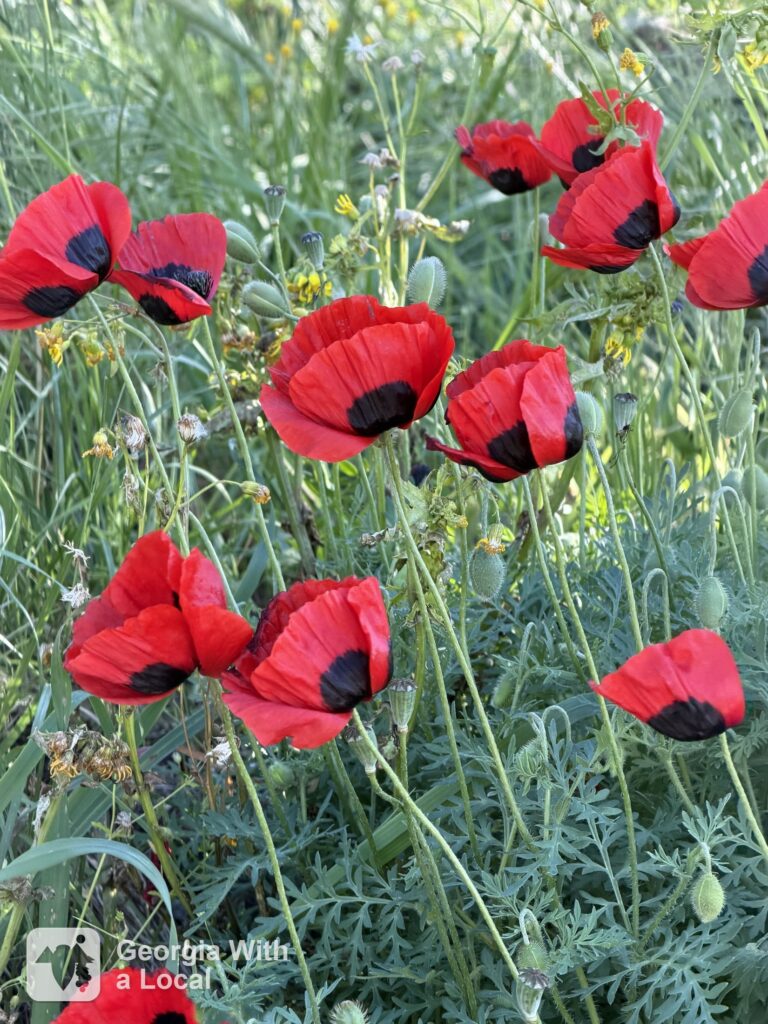
Цветущие маки в Тбилисском ботаническом саду. Маки цветут недолго, примерно с конца апреля до середины мая. Тбилисский ботанический сад — редкая возможность увидеть цветущие маки прямо в городе
Начало и середина июня: розы
Начало и середина июня отлично подходят для роз. Погода уже может быть тёплой, но в саду ещё достаточно свежих красок, чтобы он выглядел живым. Это одно из лучших времён для посетителей, которым нужны фотографии цветов, а не только городские виды.
В июне лучше приходить утром. Так будет приятнее свет, прохладнее температура и комфортнее прогулка до середины дня.
Лето, осень и зима
В июле и августе в Тбилиси бывает жарко, но BGCI отмечает, что в самые жаркие месяцы сад даёт более прохладную среду по сравнению с окружающим городом. Тем не менее летом лучше приходить рано или поздно, брать воду и защищаться от солнца.
Осень может быть приятной для прогулок, особенно когда погода сухая и мягкая. Зимой сад тише и менее цветной, но всё равно подходит для спокойной прогулки, если день солнечный, а дорожки сухие.
Сколько времени нужно?
Для короткого первого визита достаточно 1-1,5 часа: войти, пройти часть основного маршрута, увидеть район водопада и одну-две смотровые площадки. Это удобно, если сад совмещается с крепостью Нарикала или серными банями.
Для спокойного визита комфортнее заложить 2-3 часа. Так останется время на сезонные цветы, фотографии, подвесной мост, более тихие дорожки и небольшие растительные детали без спешки.
Более длинный визит имеет смысл для тех, кто уже был в Тбилиси, любит растения, фотографирует или хочет использовать сад как полноценную природную паузу, а не просто как остановку по пути.
Простой маршрут для первого посещения
Простой маршрут для первого визита может выглядеть так:
- Начните рядом с Абанотубани или со стороны Старого Тбилиси.
- Войдите в сад и медленно идите вглубь ущелья.
- Посетите район водопада и подвесной мост.
- Продолжайте к смотровым площадкам и сезонным цветочным зонам.
- Если позволяют силы и погода, совместите визит с Нарикалой или смотровой площадкой у «Матери Грузии».
Такой маршрут оставляет день гибким. Он также помогает не воспринимать сад только как короткий проход между достопримечательностями, что бывает частой ошибкой. Ботанический сад приятнее всего, когда есть достаточно времени, чтобы замедлиться.
Стоит ли посещать Тбилисский ботанический сад?
Тбилисский ботанический сад стоит посетить тем, кто хочет спокойную зелёную прогулку рядом со Старым Тбилиси. Особенно хорош он весной, в начале лета или в ясный день, когда открыты виды, а погода комфортна.
Он может показаться не самым обязательным местом для тех, у кого в Тбилиси только один очень плотный день, особенно если главная цель — архитектура, музеи, еда или ночная жизнь. Но для более медленного маршрута, семей, фотографов, любителей растений и путешественников, которые живут рядом со Старым городом, это простое и доступное дополнение к поездке.
FAQ
Стоит ли посещать Тбилисский ботанический сад?
Да, Тбилисский ботанический сад стоит посетить ради спокойной прогулки, сезонных цветов, небольшого водопада, подвесного моста и видов рядом с крепостью Нарикала. Он лучше всего подходит путешественникам, которые любят природу и неторопливые прогулки, а не только крупные памятники.
Сколько стоит вход в Тбилисский ботанический сад?
Взрослый билет указан по цене 4 лари. Дети до 6 лет могут пройти бесплатно, а месячный абонемент указан по цене 80 лари. Цены стоит перепроверять на входе, потому что местные правила продажи билетов могут меняться.
Где находится Тбилисский ботанический сад?
Тбилисский ботанический сад находится за Старым Тбилиси, в ущелье Цавкисис-Цкали рядом с крепостью Нарикала, смотровой площадкой у «Матери Грузии» и серными банями Абанотубани.
Сколько времени нужно на Тбилисский ботанический сад?
Большинству посетителей нужно 1-1,5 часа для короткого визита и 2-3 часа для спокойной прогулки. Больше времени пригодится для фотографий, цветов и более тихих дорожек.
Когда лучше посещать Тбилисский ботанический сад?
Весна лучше всего подходит для свежей зелени и сирени; вероятный период цветения сирени в Тбилиси — с конца марта по апрель. Начало и середина июня особенно хороши для роз. Летом раннее утро или поздний день комфортнее, чем полдень.
Можно ли приходить в Тбилисский ботанический сад с животными?
Нет. Вход с животными запрещён, поэтому питомцев не стоит приводить в сад.
Подходит ли Тбилисский ботанический сад для детей?
Он может понравиться детям, которым нравятся прогулки, вода, мосты и природа. Родителям стоит учитывать склоны, ступени, неровные дорожки и жаркую погоду летом.
Заключение
Тбилисский ботанический сад — спокойная, доступная и атмосферная остановка в центре города. Его главная ценность не в одной отдельной достопримечательности, а в сочетании ущелья, сезонных цветов, старых деревьев, воды, живой природы, мостов и видов. Для путешественников, которые строят более неторопливый маршрут по Старому Тбилиси, это один из самых простых способов добавить природу в день, не выезжая из города.